As a founder and entrepreneur it is important to note the words once said by Peter Drucker, “Culture eats strategy for breakfast”. These words ring the hardest bell in my ears because I’ve seen many startups and their founders planning business goals, planning the strategy to achieve those goals, implementing project management tools, doing monthly business meetings with the teams as well as yearly or half-yearly townhalls with little to no focus on what the organization’s culture is from the lens of its employees.
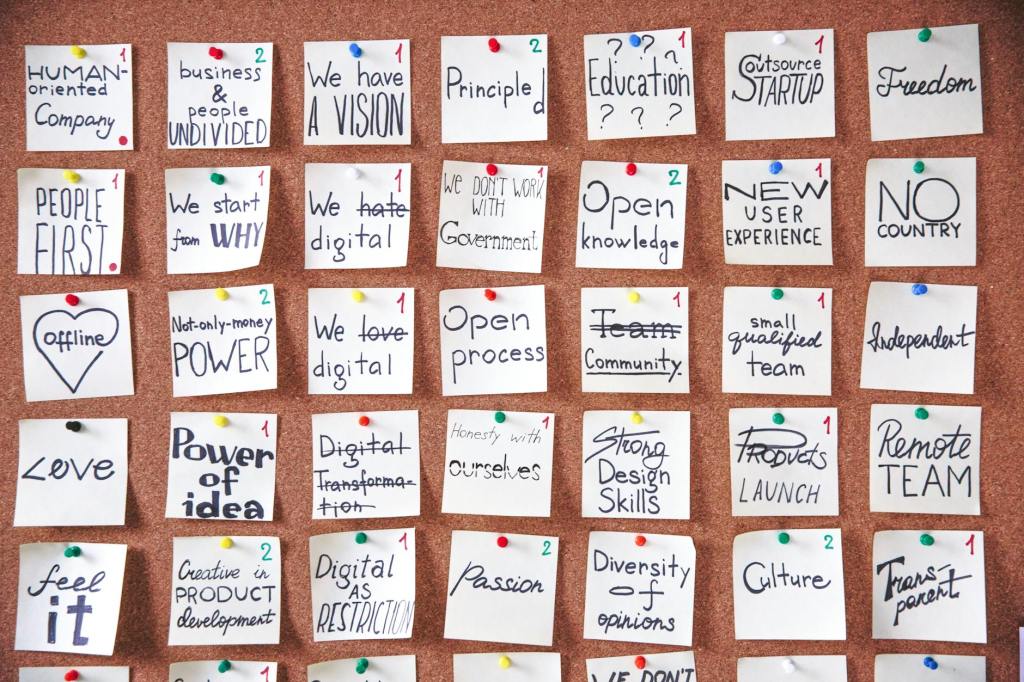
Yes, culture is very rarely those pretty words written on the lobby wall of your office or the decorated abstract words in the company’s orientation handbook, in reality, culture is the collective behavior of the organization that is passed on from the top management to their subordinates by way of actions, decisions and behaviors, this is what forms over the months, years and it is often sensed by a new joiner during their initial period through the behaviors and actions of folks who have been there for times before them.
So, if culture = collective behavior. And how a person behaves cannot always be controlled, what should one do to guide a collective behavior that aligns with the strategic goals of the business?
- Base your culture on real world situations to influence action and showcase meaning:
In every organization that I’ve been in, I’ve heard words like honesty, transparency, integrity, accountability, and so on. These words sound beautiful but hollow, we know what they mean when it is said by an HR in the orientation but how can we infuse them into an employee that nurtures their future behavioral actions.
Let’s take a recent example, considering Covid-19, many organizations shifted towards work from home in 2020 and post pandemic period, that is, 2022-2023 there have been organizations that have been calling their employees back to work from office, for various reasons. The employees reaction to these requests without proper understanding is via mass resignations, and/or loud LinkedIn posts on how they are more productive while working from home or how their job can also be performed while they are on the Caribbean Cruise.
This could have been navigated if the organization culture was framed to be realistic, for example, while framing their culture, instead of the abstract words there should be statements like instead of just saying the words “Transparency” and “honesty” the organizations could try statements with situations for example “In XYZ, our leaders will give you the cold and hard insights to the decisions or changes, that are grey, good and possibly difficult from the team’s lens, even if it leads to inefficiency and distraught feelings. However, after the initial reactions and once the information is processed, our leaders will also keep the lines of communications open and flowing upwards, if you’re comfortable being vocal we’d like to speak to you, if you’d like to communicate anonymously and honestly there are ballots in the washrooms with no cameras! Share your thoughts with us, we’ll address them, come to a mutual understanding and then let’s move forward together.”
2. Hire people with a personality that align with your culture.
Hiring can be extremely exhausting for the HR and those involved in the decision making process. Normally, we end up hiring a person because they have done a particular role before and because they may require minimal guidance and training. Hire a person with a personality that closely relates to your culture and vision.
Every organization has its website and many state their culture or have their employees that genuinely post about the culture on their LinkedIn, as an HR or as a key decision maker it is absolutely important to put that on a test when we hire. A good example would be Amazon’s Leadership Principles, while I personally like the way each principle is explained, a suitable way to test it would be a few questions framed in a personality test. For example, We have an order of 40,000 units of pens and just two days to deliver those pens, we also may have a 2% defect rate, which takes some time to inspect. As a leader you have two options:
Option 1: You can continue to package and deliver the 40K pens without the inspection to meet the delivery time line.
Option 2: You can continue the process with inspection to meet the customer expectation on quality.
Focusing on the principles “Customer Obsession” and “Insisting on the Highest Standards” you’d expect the reasonable answer to be Option 2. However ideally there are two more principles that suggest possible actions that is, “Invent and Simplify” and “Deliver Results”, which suggests that the process can be thought over and simplified to meet customers expectations of quality as well as delivery time. The principles and the manner in which they are explained suggest reasonable behaviors expected from every individual focusing on every individual is expected to behave as a leader (not just managers) which potentially result in developing Amazon’s culture.
3. Hire the right people and they will build the right culture
Who you hire today, matters, and will define what your tomorrow will look like. The right hire will reinforce the organizations culture where as someone who may have the experience for the role but not the right attitude may change the culture over time. Skills and Roles can be taught but mindset and behavior are to be molded with mutual understanding.
4. Make sure your culture drives your strategy and not the other way around.
As I’ve already established that culture is the collective behavior, while you may develop your business goals quarterly or half yearly or even yearly, a good strategy is to identify the collective actions required to reach those goals, identify the behaviors that would be required for those actions and build your culture around it which forms your strategy. Creating an environment that is conducive to work in or every man’s happy place to be should be your primary goal. Simple math, we need people to achieve your goals of growth and people need the environment to stay longer and happier.
When should you build your Organization’s Culture?
The short answer, “As soon as possible!” Culture if not defined as early as possible will reinforce itself, everyone’s collective behavior in the organization will build a culture. This only gets more rigid over time, and employees thriving in a culture that is built without direction will turn rebellious to change, so it’s important to nudge the culture in the right direction as early as possible to support your organization’s goals.
Building the culture is not a one-time activity it is a continuous and conscious effort that is required from the CEO and the managers vis behaviors and action that model the sense of the culture in a downward flow to their subordinates. Organizations that focus on adaptability, clear communication, development and mentoring and an inclusive environment that nurtures the employees with consistent recognition and appreciation are more likely build and develop an organizational culture that turns purpose into action driving long term success.
 Your Gambit
Leave a comment